Alcohol and Oral Health: What You Should Know
- obeigseo
- May 14
- 4 min read

Alcohol consumption is common in many social and cultural settings, but its effects extend far beyond general health. One area often overlooked is oral health. The mouth is the first point of contact for alcohol, making teeth, gums, and soft tissues directly exposed to its impact. Understanding Alcohol and Oral Health: What You Should Know is important for preventing long-term dental problems such as dry mouth, gum disease, tooth decay, enamel erosion, and even serious oral conditions.
While moderate and occasional drinking may seem harmless, regular alcohol consumption can gradually compromise the natural defenses of the mouth. This makes proper oral hygiene and awareness essential for maintaining a healthy smile.
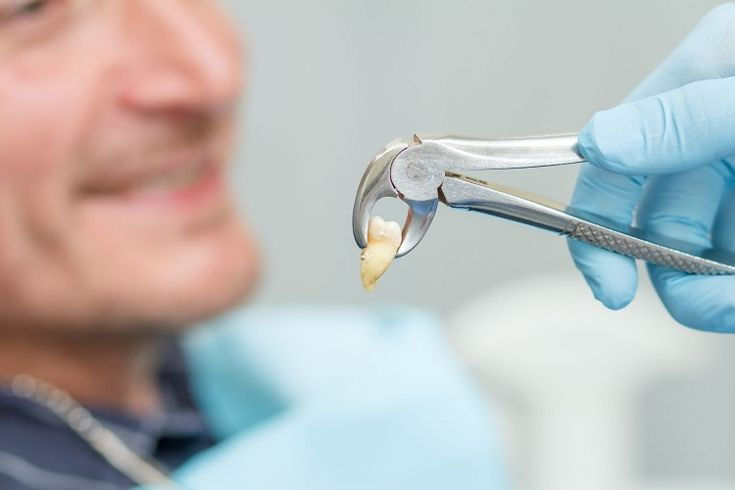
How Alcohol Affects the Mouth
Alcohol affects the mouth in multiple ways. It reduces saliva production, alters the balance of oral bacteria, and exposes tissues to acidic and dehydrating conditions. Saliva plays a critical role in protecting teeth by washing away food particles, neutralizing acids, and controlling bacterial growth. When alcohol reduces saliva flow, the mouth becomes more vulnerable to infection and decay.
Dry mouth, also known as xerostomia, is one of the earliest and most common effects of alcohol consumption. A dry oral environment allows harmful bacteria to multiply more easily, increasing the risk of cavities and gum disease.
Alcohol and Tooth Decay
Tooth decay occurs when bacteria in the mouth break down sugars and produce acids that attack enamel. Alcoholic beverages, especially sweet cocktails and mixed drinks, often contain high sugar levels. This combination of sugar and reduced saliva creates an ideal environment for cavity formation.
Even dry alcoholic beverages can contribute indirectly to decay. Alcohol weakens the mouth’s natural cleaning process, allowing plaque to build up on tooth surfaces. Over time, this leads to enamel damage, sensitivity, and cavities if not properly managed.
Enamel Erosion and Sensitivity
Tooth enamel is the hardest substance in the human body, but it is not immune to damage. Many alcoholic drinks, including wine and spirits, are acidic in nature. Acid softens enamel, making it more susceptible to wear and erosion.
Frequent alcohol consumption can gradually thin the enamel layer, exposing the underlying dentin. This can lead to increased tooth sensitivity, especially when consuming hot, cold, or sweet foods and beverages. Once enamel is lost, it cannot regenerate, making prevention extremely important.
Gum Disease and Inflammation
Alcohol also has a significant impact on gum health. Reduced saliva flow and bacterial imbalance increase the risk of plaque buildup along the gumline. If plaque is not removed through regular brushing and flossing, it can harden into tartar, leading to gingivitis and periodontal disease.
Gum disease begins with symptoms such as redness, swelling, and bleeding gums. If left untreated, it can progress to more serious conditions that affect the bone supporting the teeth, potentially leading to tooth loss. Alcohol can also weaken the immune system, making it harder for the body to fight infections in the gums.
Dry Mouth and Bad Breath
Dry mouth caused by alcohol consumption is one of the most noticeable oral health issues. Without adequate saliva, food particles and bacteria remain in the mouth for longer periods. This leads to unpleasant odors commonly known as bad breath or halitosis.
Saliva also helps maintain a balanced pH in the mouth. When saliva levels drop, acidity increases, further promoting bacterial growth and odor formation. Persistent dry mouth can significantly affect comfort and confidence in social interactions.
Increased Risk of Oral Infections
A healthy mouth relies on a strong immune defense system. Alcohol can weaken this system, making it easier for infections to develop. Fungal infections such as oral thrush may become more common in individuals who frequently consume alcohol.
Additionally, alcohol can irritate the soft tissues of the mouth, making them more susceptible to injury and delayed healing. This can lead to prolonged discomfort and increased vulnerability to bacterial infections.
Long-Term Risks to Oral Health
Long-term alcohol consumption is associated with more serious oral health concerns beyond everyday dental problems. Chronic irritation and tissue damage can increase the risk of precancerous changes in the mouth. While lifestyle factors such as smoking also contribute significantly, alcohol remains an important risk factor in oral tissue health.
Regular dental check-ups become even more important for individuals who consume alcohol frequently, as early detection of oral issues can prevent more serious complications.
Protecting Your Oral Health While Consuming Alcohol
Although reducing alcohol intake is the best option for oral health, certain habits can help minimize its effects. Drinking water alongside alcoholic beverages helps maintain hydration and stimulate saliva production. Rinsing the mouth with water after drinking can also help remove residual sugars and acids.
Maintaining a consistent oral hygiene routine is essential. Brushing twice daily with fluoride toothpaste and flossing regularly helps reduce plaque buildup and strengthen enamel. Avoiding excessive sugar mixers and choosing lower-sugar options can also reduce the risk of decay.
Eating a balanced diet rich in vitamins and minerals supports gum and enamel health, helping the mouth recover more effectively from occasional alcohol exposure.
When to Seek Dental Advice
If symptoms such as persistent dry mouth, gum bleeding, tooth sensitivity, or bad breath continue despite good oral hygiene, it is important to consult a dental professional. Early intervention can prevent minor issues from becoming serious conditions.
Regular dental visits allow for professional cleaning and early detection of alcohol-related oral health issues, ensuring long-term protection of teeth and gums.
Dr. Karan Kalra is a highly experienced orthodontist and dental specialist, offering advanced treatments to enhance both oral health and aesthetics. With extensive clinical expertise and a patient-centered approach, he provides personalized solutions for smile correction, teeth alignment, and overall dental care. Utilizing modern techniques and state-of-the-art technology, Dr. Karan Kalra ensures precise, effective, and comfortable treatment for every patient. For those seeking professional guidance and transformative results, booking a consultation directly with Dr. Karan Kalra guarantees expert care and individualized attention.


Comments