Baby Bottle Tooth Decay Prevention Guide
- obeigseo
- 12 hours ago
- 4 min read

Baby Bottle Tooth Decay is a common early childhood dental concern that can affect babies and toddlers when their teeth are frequently exposed to sugary liquids. Although baby teeth are temporary, they play an important role in eating, speaking, and guiding permanent teeth into their proper positions. Understanding the causes and prevention of baby bottle tooth decay can help parents establish healthy oral care habits from an early age.
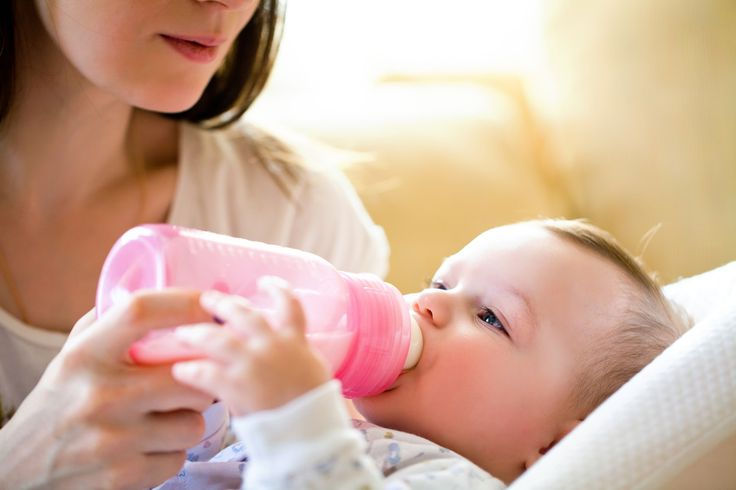
Understanding Baby Bottle Tooth Decay
Baby Bottle Tooth Decay, also known as early childhood tooth decay, can develop when a baby's teeth are repeatedly exposed to sugars for extended periods. Milk, formula, fruit juices, sweetened drinks, and other beverages containing carbohydrates can contribute to tooth decay when they remain around the teeth.
Bacteria in the mouth use these sugars to produce acids. Frequent acid exposure can gradually weaken tooth enamel and eventually create cavities.
The condition commonly affects the upper front teeth, although other teeth can also be affected.
Why Baby Teeth Need Protection
Some parents assume that cavities in baby teeth are not important because these teeth eventually fall out. However, healthy primary teeth are essential for a child's early development.
Baby teeth help children chew food properly and support clear speech development. They also help maintain space for permanent teeth.
Severe untreated decay can cause discomfort, difficulty eating, infection, and other complications. Protecting baby teeth therefore contributes to a child's overall oral health.
Avoid Putting Babies to Bed With a Bottle
One of the most important ways to prevent Baby Bottle Tooth Decay is to avoid allowing a baby to fall asleep with a bottle containing milk, formula, juice, or another sugary liquid.
During sleep, saliva production decreases, which means the mouth has less natural protection against acids. If a bottle remains in the baby's mouth for an extended period, the teeth may be exposed to sugars for a prolonged time.
Parents should gradually establish a bedtime routine that does not rely on a bottle for falling asleep.
Do Not Fill Bottles With Sugary Drinks
Water is generally the safest drink between meals once appropriate for the child's age and feeding stage. Parents should avoid putting juice, sweetened beverages, soft drinks, or sugary liquids into a baby's bottle.
Frequent exposure to sweet drinks increases the amount of time teeth are exposed to sugar and acid.
Even beverages that appear healthy can contain naturally occurring or added sugars. Parents should discuss appropriate drinks and feeding practices with their child's healthcare professional.
Begin Oral Care Early
Oral hygiene should begin before a baby's first tooth appears. Parents can gently clean the baby's gums using a clean, soft, damp cloth.
Once the first tooth emerges, parents should begin brushing with a soft infant toothbrush and an age-appropriate amount of fluoride toothpaste as recommended by dental professionals.
Starting early helps remove plaque and establishes oral hygiene as part of the child's daily routine.
Brush Teeth Twice a Day
Regular brushing is one of the most effective ways to prevent cavities. As teeth emerge, parents should brush them twice each day, particularly before bedtime.
Children may want to brush independently as they become older, but young children generally need parental assistance to ensure their teeth are cleaned effectively.
Parents should pay attention to all tooth surfaces, especially areas where food or plaque may accumulate.
Limit Frequent Sugary Snacks
The frequency of sugar exposure can be just as important as the total amount of sugar consumed. Frequent snacking on sugary foods gives bacteria repeated opportunities to produce acids.
Parents can encourage balanced meals and nutritious snacks instead of allowing children to continuously graze throughout the day.
Fresh fruits, vegetables, and other age-appropriate nutritious foods can be included as part of a balanced diet.
Be Careful With Juice
Fruit juice can contain significant amounts of sugar and may contribute to tooth decay when consumed frequently. Young children generally do not need juice as a regular part of their diet.
If juice is offered, parents should follow age-appropriate dietary recommendations and avoid allowing children to sip it continuously from a bottle or cup throughout the day.
Water can be a better choice between meals for children who are developmentally ready to drink it.
Avoid Sharing Utensils
Cavity-causing bacteria can be transferred between people through saliva. Parents and caregivers should avoid sharing spoons, cups, or toothbrushes with babies and toddlers.
They should also avoid cleaning a baby's pacifier by putting it in their own mouth.
Maintaining good oral hygiene for caregivers can also support a healthier oral environment for the child.
Schedule the First Dental Visit
A child's first dental visit should occur early in life, generally around the time the first tooth appears or by the first birthday, depending on professional recommendations.
Early dental visits allow professionals to examine developing teeth, assess oral hygiene, discuss feeding habits, and identify potential risk factors for tooth decay.
Parents can also receive personalized guidance on brushing, fluoride, diet, pacifier use, and other aspects of early oral care.
Recognize Early Signs of Tooth Decay
Parents should regularly look at their child's teeth. White, chalky spots can sometimes be an early sign of enamel changes. Yellow, brown, or dark areas may indicate more advanced decay.
Other possible signs include sensitivity, discomfort while eating, or changes in feeding behavior.
If parents notice anything unusual, they should arrange a dental examination rather than waiting for symptoms to become severe.
Establish Healthy Habits From Infancy
Preventing Baby Bottle Tooth Decay is easier when healthy habits become part of a child's routine from the beginning. Parents can establish consistent brushing, limit frequent sugar exposure, provide appropriate drinks, and encourage regular dental visits.
Caregivers should also understand these habits so that the child receives consistent oral care throughout the day.
Dr. Karan Kalra is a highly experienced orthodontist and dental specialist, offering advanced treatments to enhance both oral health and aesthetics. With extensive clinical expertise and a patient-centered approach, he provides personalized solutions for smile correction, teeth alignment, and overall dental care. Utilizing modern techniques and state-of-the-art technology, Dr. Karan Kalra ensures precise, effective, and comfortable treatment for every patient. For those seeking professional guidance and transformative results, booking a consultation directly with Dr. Karan Kalra guarantees expert care and individualized attention.


Comments