Home Remedies That Actually Help Oral Health

Maintaining good oral health starts with everyday habits at home. Brushing, cleaning between the teeth, choosing nutritious foods, and staying hydrated can help keep the teeth and gums healthy. However, it is important to understand that home care supports prevention and comfort but cannot replace professional dental treatment when a dental problem is present. Knowing which home remedies that actually help oral health can be useful for building a practical daily routine.
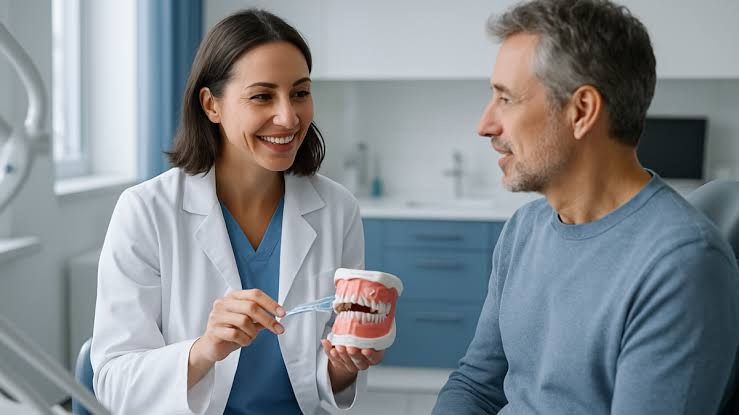
Brush With Fluoride Toothpaste
One of the most effective home practices for oral health is brushing twice a day with fluoride toothpaste. Fluoride helps strengthen tooth enamel and can make teeth more resistant to acid attacks that contribute to tooth decay.
Use a soft-bristled toothbrush and gently clean the front, back, and chewing surfaces of the teeth. Brushing too aggressively can irritate the gums or contribute to enamel and gumline wear. Spending around two minutes brushing helps ensure that most tooth surfaces receive adequate attention.
Clean Between Your Teeth
A toothbrush cannot reach every surface between the teeth. Flossing or using another suitable interdental cleaning method once a day can remove plaque and trapped food from these spaces.
Regular interdental cleaning can help reduce the risk of cavities between teeth and support healthier gums. People with braces, bridges, or other dental appliances may benefit from specialized cleaning tools recommended by a dental professional.
Drink Plenty of Water
Water is one of the simplest ways to support oral health. It helps rinse away food particles and can reduce the effects of acids in the mouth. Drinking water also supports normal saliva production.
Saliva naturally helps protect teeth by neutralizing acids and assisting the mouth's natural cleaning process. Choosing water instead of frequently consuming sugary or acidic drinks can be particularly beneficial.
Eat Crunchy, Nutrient-Rich Foods
A balanced diet supports healthy teeth and gums. Crunchy foods such as apples, carrots, and other fresh vegetables can be useful additions to a nutritious diet. They also require chewing, which can stimulate saliva production.
However, these foods should not be considered a substitute for brushing or flossing. They complement good oral hygiene rather than replacing it.
Reduce Frequent Sugar Consumption
Reducing frequent exposure to sugar is one of the most practical ways to lower the risk of tooth decay. Oral bacteria use sugars to produce acids that can damage tooth enamel.
Instead of repeatedly snacking on sugary foods throughout the day, consider limiting sugary foods and drinks and choosing balanced meals and snacks. Drinking water after eating can also help clear food particles from the mouth.
Rinse With Plain Water
Rinsing the mouth with plain water after meals can help remove loose food particles and dilute acids. This can be particularly useful when brushing is not immediately possible.
Water rinsing is simple and safe for most people, but it should not replace twice-daily brushing with fluoride toothpaste or daily interdental cleaning.
Use a Saltwater Rinse for Temporary Comfort
A mild saltwater rinse may provide temporary soothing for irritated gums or minor mouth discomfort. Saltwater can help cleanse the mouth and may reduce some irritation.
It should be used as a supportive measure rather than a treatment for an underlying dental infection. Persistent swelling, severe pain, or other concerning symptoms should be assessed by a dental professional.
Avoid Harmful DIY Dental Treatments
Not every popular home remedy is safe for teeth. Applying undiluted acids, abrasive substances, or harsh chemicals to the teeth can damage enamel and irritate soft tissues.
For example, attempting to whiten teeth with acidic household ingredients can increase sensitivity and enamel damage. Natural does not always mean harmless, so it is important to choose evidence-based oral care practices.
Keep Your Toothbrush Clean
A clean toothbrush is another simple part of good home care. After brushing, rinse the toothbrush thoroughly with water and allow it to air-dry upright. Avoid regularly storing it in a closed container while it is still wet.
Toothbrushes should also be replaced when the bristles become worn or damaged. A fresh toothbrush can clean the teeth more effectively than one with significantly frayed bristles.
Manage Dry Mouth
Dry mouth can increase the risk of cavities because saliva plays an important role in protecting the teeth. Drinking water regularly may help maintain moisture in the mouth.
Sugar-free chewing gum can also stimulate saliva production for some people. However, persistent dry mouth may have an underlying cause, including medication use or certain medical conditions, so professional advice may be appropriate if the problem continues.
Know When Home Care Is Not Enough
Home care is most effective for prevention and everyday maintenance. It cannot remove deep cavities, treat advanced gum disease, or eliminate a dental abscess.
Seek professional dental care if you experience persistent tooth pain, facial or gum swelling, pus, a broken tooth, ongoing bleeding, significant sensitivity, or a loose tooth. Early treatment can help prevent a minor problem from becoming more complicated.
Dr. Karan Kalra is a highly experienced orthodontist and dental specialist, offering advanced treatments to enhance both oral health and aesthetics. With extensive clinical expertise and a patient-centered approach, he provides personalized solutions for smile correction, teeth alignment, and overall dental care. Utilizing modern techniques and state-of-the-art technology, Dr. Karan Kalra ensures precise, effective, and comfortable treatment for every patient. For those seeking professional guidance and transformative results, booking a consultation directly with Dr. Karan Kalra guarantees expert care and individualized attention.


Comments