How Smoking Affects Gum Health

Smoking is widely recognized for its harmful effects on the lungs and heart, but many people are unaware of the serious damage it can cause to their oral health. Tobacco use significantly increases the risk of gum disease, tooth loss, bad breath, and delayed healing after dental treatments. Understanding How Smoking Affects Gum Health can help you make informed decisions to protect your smile and improve your overall well-being.
In this article, we’ll explore how smoking impacts your gums, the warning signs to watch for, and the benefits of quitting.
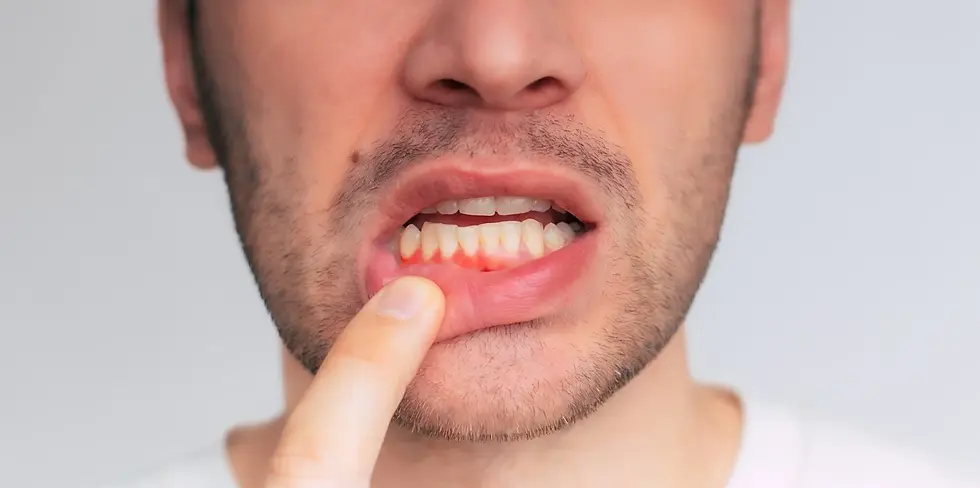
What Is Gum Health?
Healthy gums are firm, pink, and fit snugly around your teeth. They protect the roots of your teeth and the underlying bone, providing the support needed to keep your teeth stable.
When plaque and bacteria build up along the gum line, the gums can become inflamed, leading to gingivitis. If left untreated, this can progress to periodontitis, a serious gum infection that damages the tissues and bone supporting your teeth.
How Smoking Affects Gum Health
One of the biggest reasons dentists emphasize quitting tobacco is How Smoking Affects Gum Health. Smoking weakens your body's natural defenses, making it more difficult to fight infections and heal damaged tissues.
Here are some of the major ways smoking harms your gums.
Reduces Blood Flow to the Gums
Smoking narrows blood vessels, reducing the amount of oxygen and nutrients reaching your gum tissues. Without adequate blood circulation, your gums cannot heal properly or defend themselves against bacterial infections.
Increases the Risk of Gum Disease
Smokers are much more likely to develop gum disease than non-smokers. Harmful chemicals in tobacco encourage bacterial growth and weaken the body's immune response, allowing infections to progress more rapidly.
Delays Healing After Dental Treatment
After procedures such as tooth extractions, dental implants, or periodontal treatment, healthy blood circulation is essential for healing. Smoking slows this healing process, increasing the risk of complications and treatment failure.
Weakens the Immune System
Smoking reduces your body's ability to fight bacteria and inflammation. As a result, gum infections may become more severe before symptoms are even noticeable.
Promotes Plaque and Tartar Buildup
Tobacco users often experience increased plaque accumulation. If plaque is not removed through daily brushing, flossing, and professional cleanings, it hardens into tartar, which contributes to gum disease.
Warning Signs of Smoking-Related Gum Problems
Recognizing the early symptoms can help prevent permanent damage.
Common signs include:
Bleeding gums while brushing or flossing
Swollen or tender gums
Persistent bad breath
Gum recession
Loose teeth
Pain while chewing
Pus between the gums and teeth
Changes in the way your teeth fit together when biting
Interestingly, smokers may notice less bleeding because nicotine reduces blood flow, even when gum disease is already advanced. This makes regular dental checkups especially important.
Other Oral Health Problems Caused by Smoking
Beyond gum disease, smoking can lead to several additional dental concerns.
Tooth Loss
Advanced gum disease gradually destroys the bone supporting your teeth, making tooth loss more likely.
Tooth Discoloration
Nicotine and tar stain the enamel, causing yellow or brown discoloration that can be difficult to remove with regular brushing.
Persistent Bad Breath
Smoking contributes to chronic bad breath by reducing saliva production and encouraging bacterial growth.
Increased Risk of Oral Cancer
Tobacco use is one of the leading risk factors for oral cancer. Regular dental examinations help identify abnormal changes early when treatment is often more successful.
Reduced Success of Dental Implants
Smoking decreases the success rate of dental implants by slowing bone healing and increasing the risk of implant failure.
Can Gum Health Improve After Quitting Smoking?
Yes. One of the most encouraging facts about How Smoking Affects Gum Health is that many of its effects begin to improve after quitting.
Benefits of quitting smoking include:
Better blood circulation to the gums
Faster healing after dental procedures
Reduced inflammation
Lower risk of gum disease progression
Improved response to periodontal treatment
Fresher breath
Reduced risk of tooth loss
Better long-term oral health
Although existing damage may not be fully reversible, quitting greatly improves the effectiveness of dental treatment and helps prevent further complications.
How to Protect Your Gums
Whether you currently smoke or have recently quit, these habits can help protect your gum health:
Brush your teeth twice daily using fluoride toothpaste.
Floss every day to remove plaque between your teeth.
Use an antimicrobial mouthwash if recommended by your dentist.
Eat a balanced diet rich in vitamins and minerals.
Drink plenty of water to maintain healthy saliva flow.
Schedule regular dental checkups and professional cleanings.
Follow your dentist's advice if you are receiving treatment for gum disease.
Consistency is essential for maintaining healthy gums.
When to See a Dentist
You should schedule a dental appointment if you notice:
Bleeding gums
Gum swelling or tenderness
Persistent bad breath
Loose teeth
Receding gums
Pain while chewing
Changes in your bite
Early diagnosis allows gum disease to be treated before permanent damage occurs.
Dr. Karan Kalra is a highly experienced orthodontist and dental specialist, offering advanced treatments to enhance both oral health and aesthetics. With extensive clinical expertise and a patient-centered approach, he provides personalized solutions for smile correction, teeth alignment, and overall dental care. Utilizing modern techniques and state-of-the-art technology, Dr. Karan Kalra ensures precise, effective, and comfortable treatment for every patient. For those seeking professional guidance and transformative results, booking a consultation directly with Dr. Karan Kalra guarantees expert care and individualized attention.


Comments