How to Prevent Common Dental Problems for Healthy Teeth
- obeigseo
- Apr 7
- 4 min read

Maintaining a bright, strong smile goes beyond just brushing your teeth once a day. Preventing dental issues is essential for long-term oral health, overall well-being, and confidence. Understanding how to prevent common dental problems for healthy teeth empowers individuals to adopt habits that protect their teeth and gums while reducing the risk of painful and costly treatments. By focusing on prevention rather than treatment, you can ensure a lifetime of healthy smiles.
Why Prevention Is Key
Dental problems often develop gradually and can go unnoticed until they cause pain, discomfort, or visible damage. Conditions like cavities, gum disease, and tooth sensitivity are not only common but also preventable with proper oral care. Preventive measures save time, money, and discomfort, while also supporting overall health.
A proactive approach to dental care emphasizes consistent hygiene, routine dental visits, and lifestyle choices that strengthen teeth and gums. By taking preventive action, you can avoid serious dental issues and maintain a healthy mouth.
Common Dental Problems
Before diving into prevention, it’s important to understand the dental problems that most people encounter:
Cavities (Tooth Decay): Bacteria in the mouth produce acids that erode tooth enamel, leading to cavities. If untreated, decay can reach the inner layers of the tooth, causing pain and infection.
Gum Disease (Gingivitis and Periodontitis): Plaque buildup can inflame and damage gums. Gingivitis is the early stage, while periodontitis is more severe and can cause tooth loss.
Tooth Sensitivity: Worn enamel or gum recession can expose dentin, causing discomfort when consuming hot, cold, or sweet foods.
Bad Breath (Halitosis): Poor oral hygiene, bacterial buildup, and infections can lead to chronic bad breath.
Tooth Erosion and Enamel Wear: Acidic foods, beverages, or acid reflux can wear down enamel, weakening teeth and increasing sensitivity.
Cracked or Chipped Teeth: Injuries, teeth grinding, or biting hard objects can damage teeth, leading to pain or infection.
Preventive Measures for Healthy Teeth
1. Brush Properly and Regularly
Brushing twice a day with fluoride toothpaste is the cornerstone of preventing dental problems. Fluoride strengthens enamel, reduces decay, and protects against cavities. Use a soft-bristled toothbrush and gentle circular motions to cover all tooth surfaces and avoid gum damage. Replace your toothbrush every three to four months or sooner if bristles become frayed.
2. Floss Daily
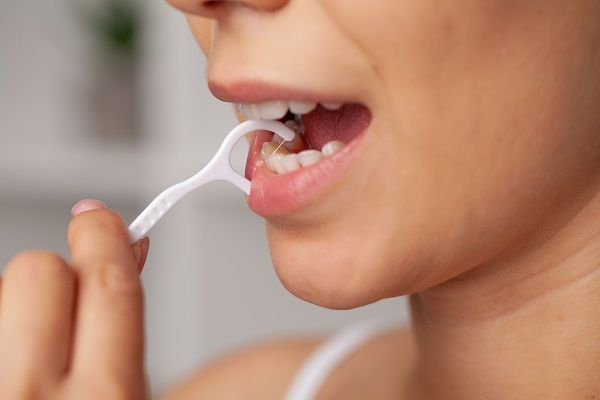
Flossing removes plaque and food particles between teeth, areas that a toothbrush cannot reach. Daily flossing prevents cavities, gum disease, and bad breath by keeping interdental spaces clean. Proper technique involves gently sliding the floss between teeth and curving it around each tooth to reach the gumline.
3. Clean Your Tongue
Bacteria can accumulate on the tongue, causing bad breath and contributing to oral health issues. Use a tongue scraper or brush your tongue gently to remove debris and reduce bacteria.
4. Maintain a Balanced Diet
Sugary and starchy foods fuel harmful bacteria, increasing the risk of cavities and gum disease. Limit processed snacks, sodas, and sweets while emphasizing calcium-rich foods, fruits, vegetables, and lean proteins. Drinking plenty of water helps wash away food particles and maintain saliva flow, which naturally protects teeth.
5. Avoid Harmful Habits
Smoking, chewing tobacco, and excessive alcohol consumption can damage teeth and gums, stain teeth, and increase the risk of oral cancer. Avoiding these habits supports healthy teeth and overall oral health. Additionally, avoid chewing hard objects like ice, pens, or popcorn kernels, which can crack or chip teeth.
6. Use Mouthwash
Mouthwash provides extra protection against bacteria and plaque. Antimicrobial rinses reduce the risk of gum disease, while fluoride mouthwashes strengthen enamel. Incorporating mouthwash into your daily routine complements brushing and flossing.
7. Protect Your Teeth During Physical Activities
Athletes or individuals participating in contact sports should wear a mouthguard to prevent injuries. Mouthguards cushion the teeth against impact and reduce the risk of fractures or knocked-out teeth.
8. Manage Teeth Grinding (Bruxism)
Grinding teeth, especially at night, can wear down enamel and lead to sensitivity or cracked teeth. Stress management, wearing a night guard, and consulting a dentist can help reduce the risk of damage from bruxism.
9. Schedule Regular Dental Check-Ups
Even with excellent home care, regular dental visits are essential for prevention. Dentists can detect early signs of cavities, gum disease, or other issues before they become severe. Routine check-ups typically include professional cleaning, X-rays, and oral exams, ensuring that your teeth remain healthy. Most professionals recommend visiting the dentist every six months, but your schedule may vary based on your dental health and history.
10. Address Issues Promptly
Early intervention is key to preventing minor problems from becoming major ones. If you notice pain, swelling, bleeding gums, or sensitivity, seek professional care promptly. Timely treatment prevents complications and ensures long-term dental health.
Benefits of Preventive Dental Care
By practicing preventive measures, you can enjoy numerous benefits:
Fewer cavities and fillings
Reduced risk of gum disease and tooth loss
Fresher breath and cleaner teeth
Stronger enamel and reduced sensitivity
Lower dental costs and fewer emergencies
.Dr. Karan Kalra is a highly experienced orthodontist and dental specialist, offering advanced treatments to enhance both oral health and aesthetics. With extensive clinical expertise and a patient-centered approach, he provides personalized solutions for smile correction, teeth alignment, and overall dental care. Utilizing modern techniques and state-of-the-art technology, Dr. Karan Kalra ensures precise, effective, and comfortable treatment for every patient. For those seeking professional guidance and transformative results, booking a consultation directly with Dr. Karan Kalra guarantees expert care and individualized attention.


Comments